Sensor Hub DTG.902 is an industrial data collector produced by MEI GROUP development, acting as a center for connecting and monitoring sensors 4–20 mA and RS485 Modbus RTU in IoT systems. Equipment used microcontroller STM32F407 High performance, integrated battery voltage and capacity monitoring function, together 01 Digital Output output to output warning or control signals. DTG.902 mode support works continuously or save energy, use source 12 VDC. Flash memory allows data to be saved 90 days with write cycle 15 minutes/time when connection is lost, at the same time support SD Card 32 GB and automatically synchronize data when there is a network. The device is fully integrated with the ecosystem MEI ECO, support remote configuration, OTA, real-time monitoring and smart warning. (meigroup.vn)

Sensor Hub - DTG.902
Products
Sensor Hub - DTG.902
Overview of Sensor Hub device – Model DTG.902
Sensor Hub DTG.902 is a new generation Data Logger & Sensor Hub MEI GROUP developed, designed for industrial monitoring applications, environmental monitoring, water supply, groundwater, irrigation and IoT infrastructure. The device plays a central role in collecting, processing, storing and transmitting data from field sensors to the management platform. MEI ECO with high reliability and availability.
Hardware platform used Microcontroller STM32F407 ARM Cortex-M4 32-bit clock 168 MHz, which incorporates a real-time embedded software architecture, delivers fast processing, stable operation in industrial environments, and meets continuous data collection requirements. The device supports connecting sensors through analog input 4–20 mA and RS485 Modbus RTU, compatible with most sensors that measure pressure, water level, flow, temperature, humidity, pH, EC, DO and many other industrial measurement devices.
DTG.902 integrates functions Monitor battery voltage and capacity, allowing real-time assessment of power supply status, and equipment at the same time 01 Digital Output channel can be configured to output alarm signals or control peripheral devices when events such as threshold exceedance, sensor error, low battery, or loss of connection occur.
Support equipment Two flexible operating modes including Continuous Mode and Low Power Mode, suitable for both grid-powered systems and battery- or solar-powered stations. Smart energy management mechanism helps optimize consumption while still ensuring the ability to monitor and record data according to the correct configuration cycle.
To ensure data security, integrated DTG.902 Large capacity Flash Memory with mechanism Ring Data Logger, allowing data storage up to 90 days with write cycle 15 minutes/time when server connection is lost. When the connection is restored, all data will be available automatically synchronize in correct chronological order. In addition, the device also supports SD Card memory card up to 32 GB to expand storage capacity and serve long-term data backup.
Is a part of the ecosystem MEI ECO,DTG.902 supports remote configuration,update Firmware OTA, centrally manage multiple devices, display real-time data, historical charts, export Excel/PDF reports, log events and send alerts via Web, App, Email or SMS. With its powerful hardware architecture, high scalability, and secure storage mechanism, Sensor Hub DTG.902 is a comprehensive industrial data collection solution that meets the requirements of stable and long-term operation for professional IoT monitoring systems.
TECHNICAL SPECIFICATIONS
Sensor Hub – Model DTG.902
Sensor Hub DTG.902 is a data acquisition unit (Data Acquisition Unit) designed according to industrial standards, playing a central role in our IoT monitoring system. MEI ECO. The device is optimized for environmental monitoring, water supply, groundwater, irrigation and industrial automation applications, with the ability to collect, process, store and transmit data from many different types of sensors.
Hardware platform used microcontroller STM32F407 ARM Cortex-M4F 32-bit, pulse 168 MHz, integrated FPU (Floating Point Unit) and DSP Instruction, allows fast processing of real number calculations, digital signal filtering, interpolation, sensor linearization and performing multiple tasks simultaneously according to the architecture Real-Time Embedded System. Thanks to high performance and many integrated peripherals (UART, SPI, I²C, DMA, Timer, RTC...), the device satisfies applications requiring high stability and availability.
The system supports sensors simultaneously 4–20 mA and RS485 Modbus RTU, allows connecting sensors of pressure, water level, flow, pH, EC, DO, temperature, humidity and many other industrial measuring devices. Input data is sampled according to configuration cycles and processed through algorithms digital noise filtering, sample average, limit check and sensor error detection (signal loss, short circuit, over measurement range). Post-processed values are standardized to technical units before being stored and transmitted to the server.
Integrated DTG.902 intelligent power monitoring circuit, continuously measured battery voltage and capacity, monitors charge/discharge status and detects abnormal voltage thresholds. When the voltage drops below the set threshold, the device generates a local alarm and sends a warning to the MEI ECO system for the operator to proactively maintain. Equipment is also available 01 Digital Output channel in contact or transistor form, can be configured to trigger according to a variety of conditions such as exceeding measurement thresholds, losing server connection, low battery, sensor failure or remote control through the management platform.
One of the outstanding advantages of DTG.902 is: Two power management modes. In mode Continuous Mode, the processor and peripherals operate continuously, suitable for systems that require real-time data updates. In mode Low Power Mode, the microcontroller enters the Sleep state between measurement cycles, activating only the RTC and necessary circuits to wake the system on schedule, significantly reducing current consumption and extending operating time when using battery or solar power.
Equipment is equipped Large capacity Flash Memory mechanism combination Circular Data Logger (Circular Buffer), capable of storing data 90 days with write cycle 15 minutes/time when connection to server is lost. Each record includes RTC time, sensor values, power status, battery level, alarms, and operating parameters. Once the connection is restored, the system automatically Synchronize data in chronological order, ensuring no data loss and no duplication. In addition to internal memory, DTG.902 supports SD Card memory card up to 32 GB, serving long-term historical storage, data retrieval and report export.
DTG.902 is powered 12 VDC, integrated protection circuits against reverse polarity, overvoltage, overcurrent, surge, ESD and EMI noise filtering, meeting the requirements of stable operation in industrial environments. Multi-layer PCB design with hardware and software watchdog mechanism helps the device automatically restore when detecting system errors, improving reliability when operating continuously.
Is a component of MEI ECO ecosystem, DTG.902 supports remote configuration via Web/App, updating Firmware OTA, centralized device management, event log saving, real-time data display, historical graph, report export Excel/PDF, assign user rights and send alerts via Web, SMS, Email or SCADA integrated API. The open architecture allows connection to existing IoT platforms and management systems, meeting deployment requirements from standalone stations to large-scale monitoring networks.
Products for the same solution
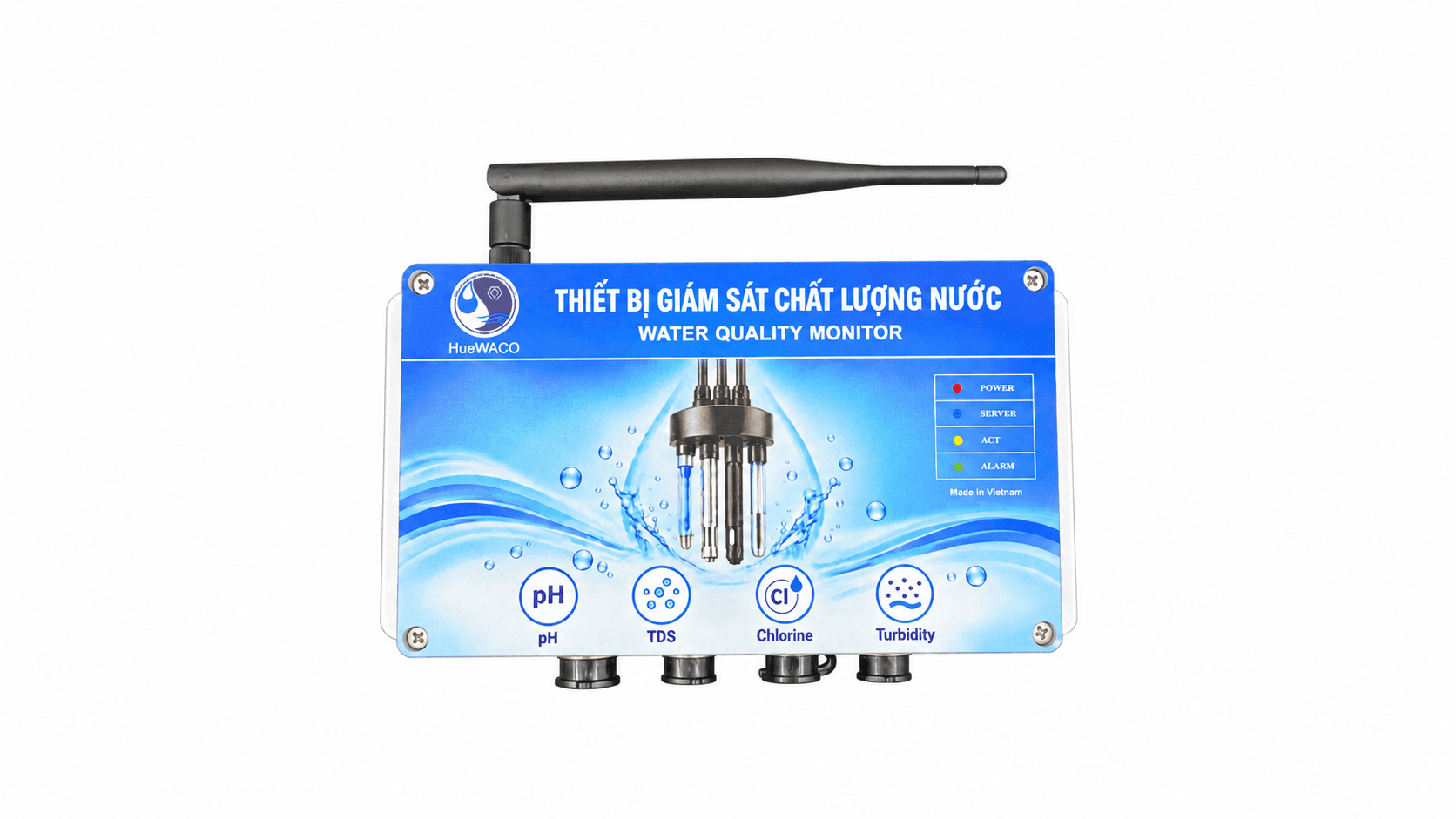
Water quality station monitoring device
MLD IoT Gateway
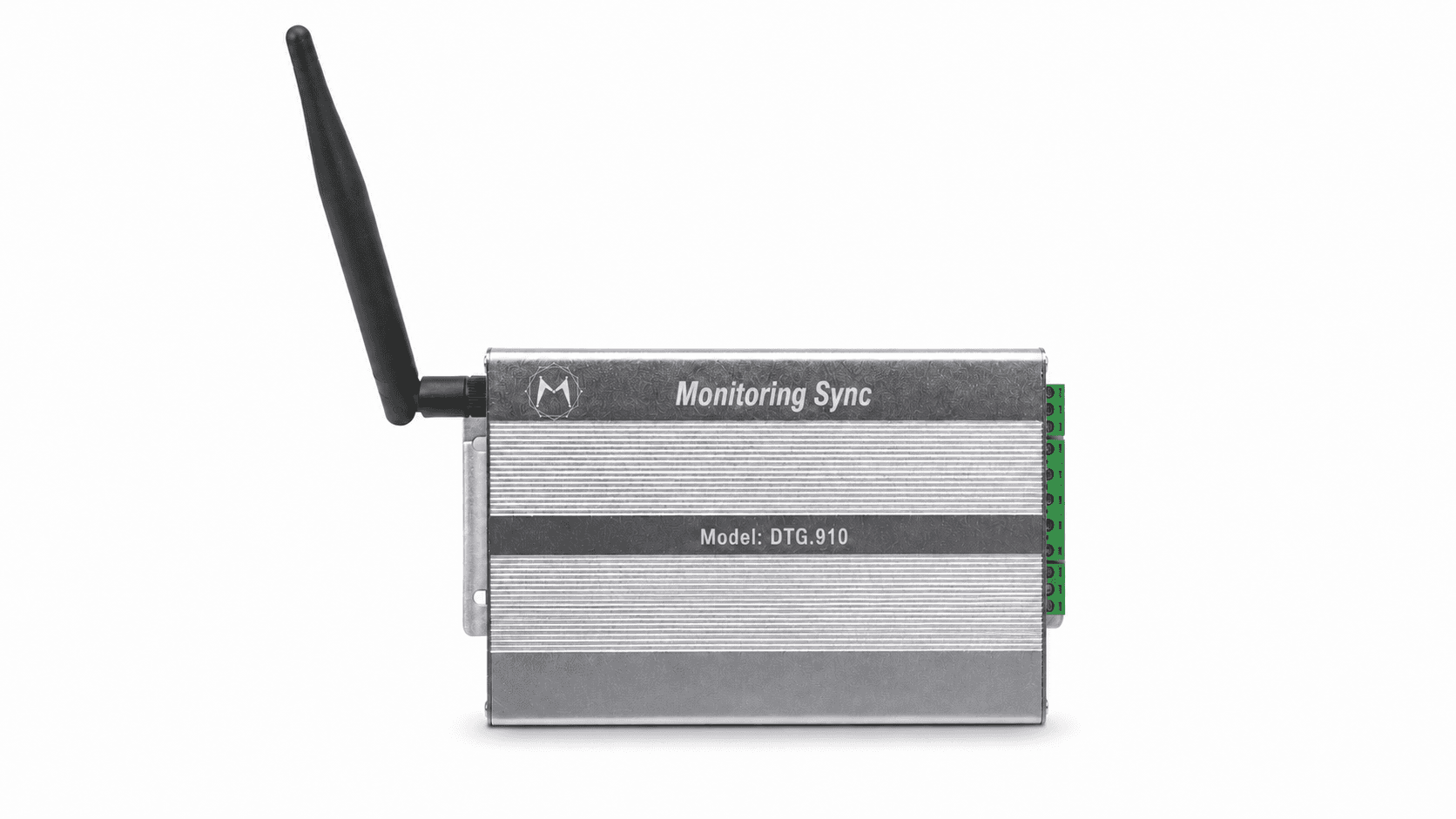
Morning Sync - DTG.910
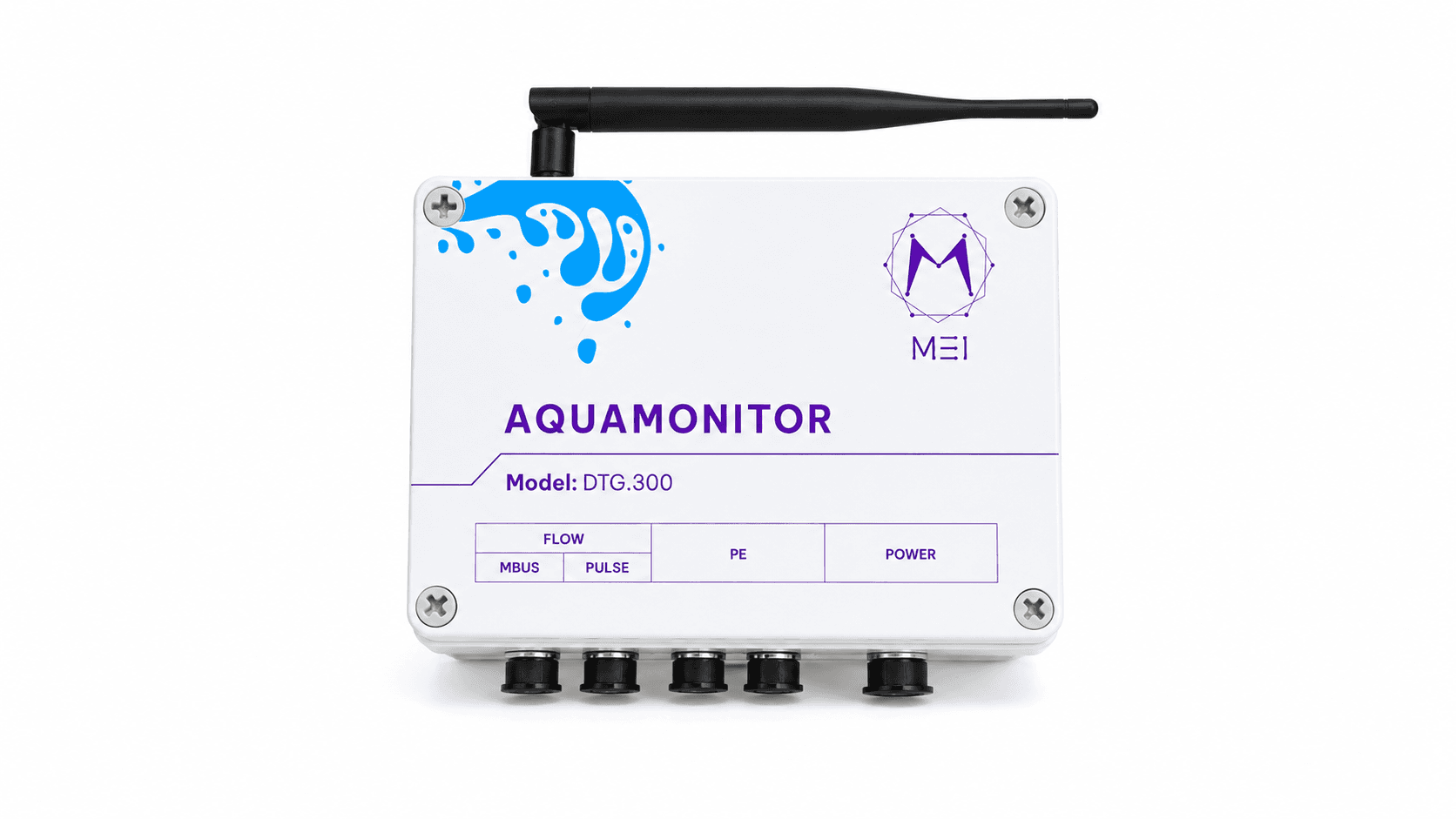
AQUAMONITOR - DTG.300
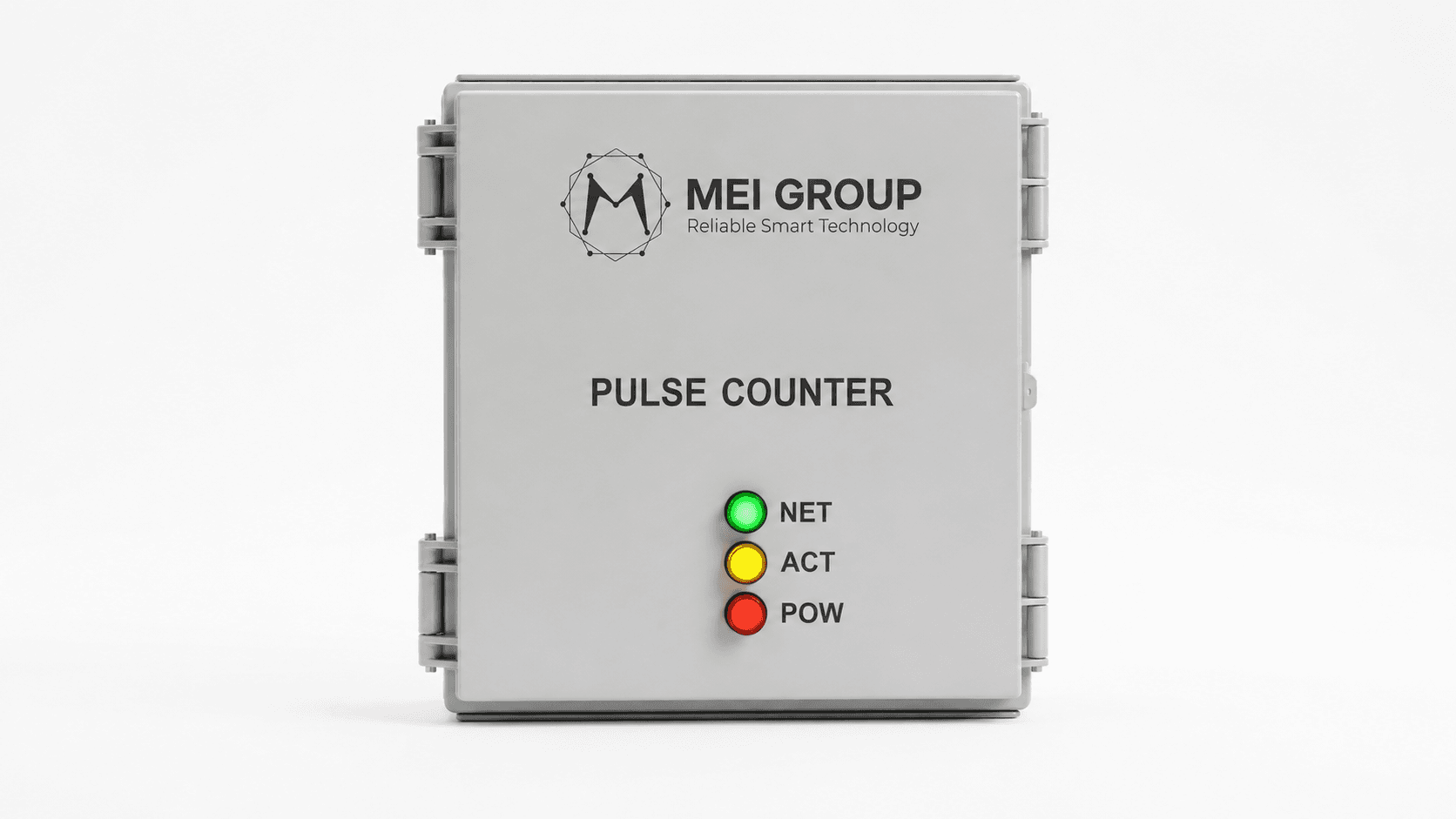
PULSE COUNTER - DTG.1001
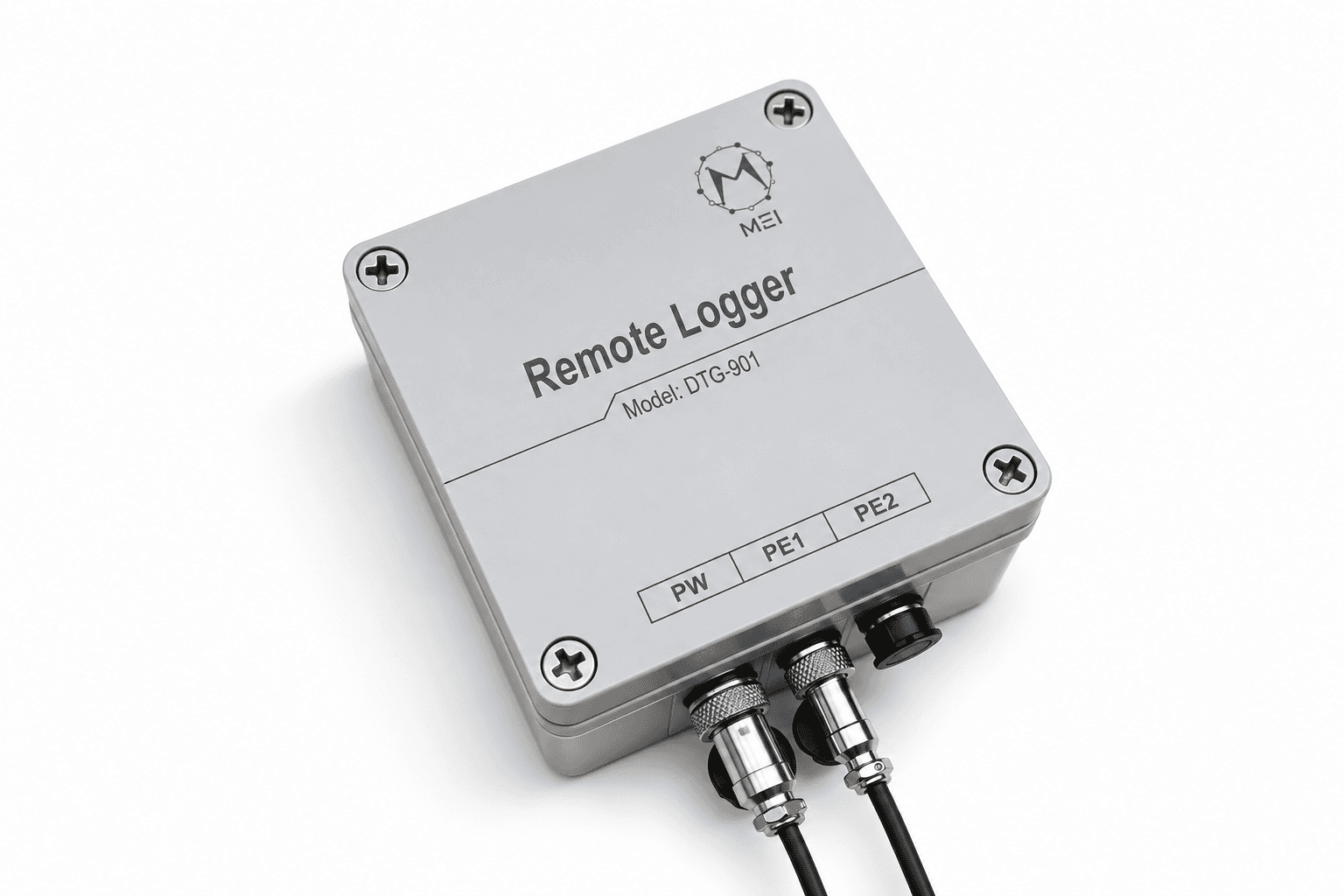
Remote Logger - DTG.901
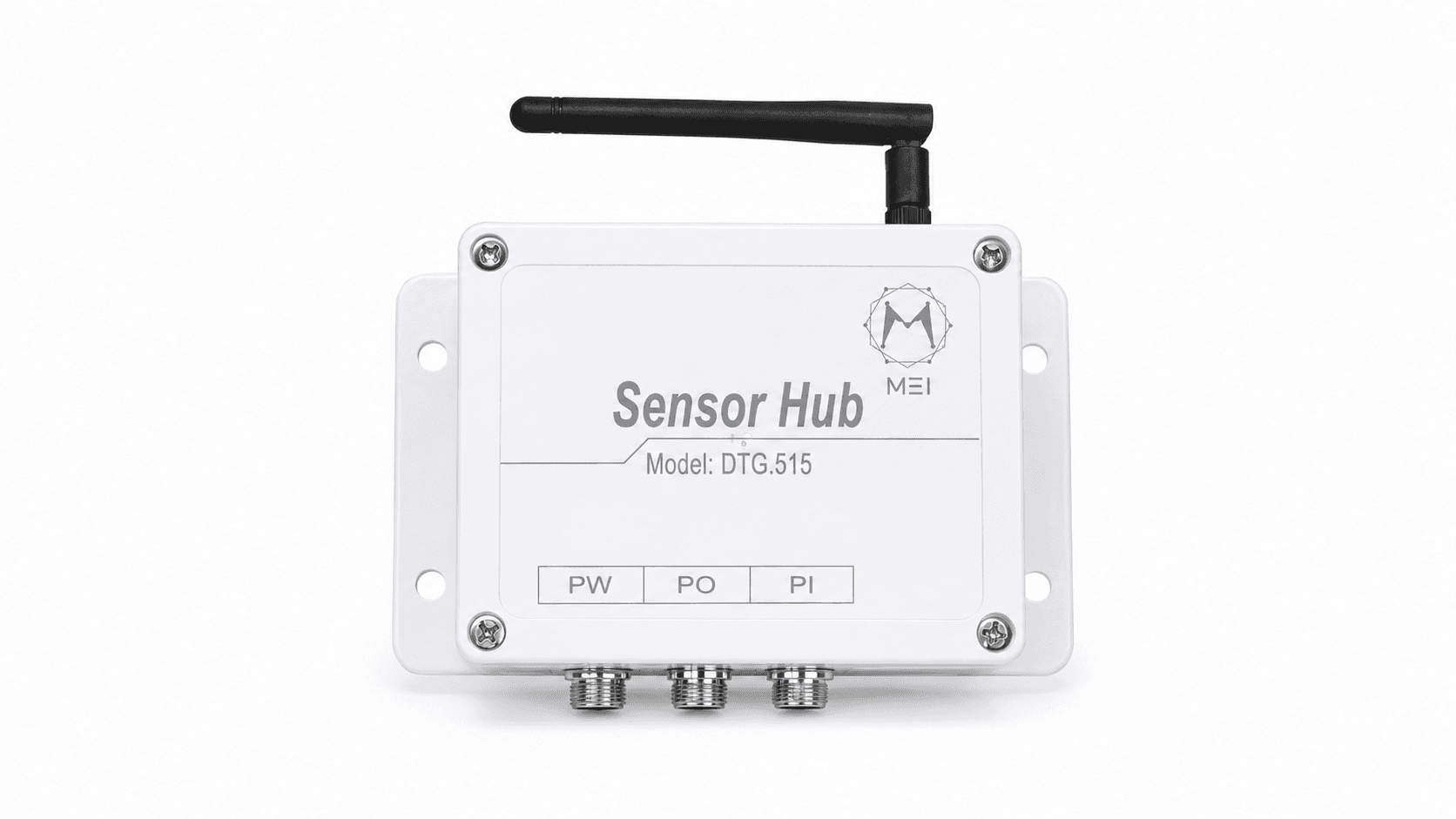
Sensor Hub - DTG.515
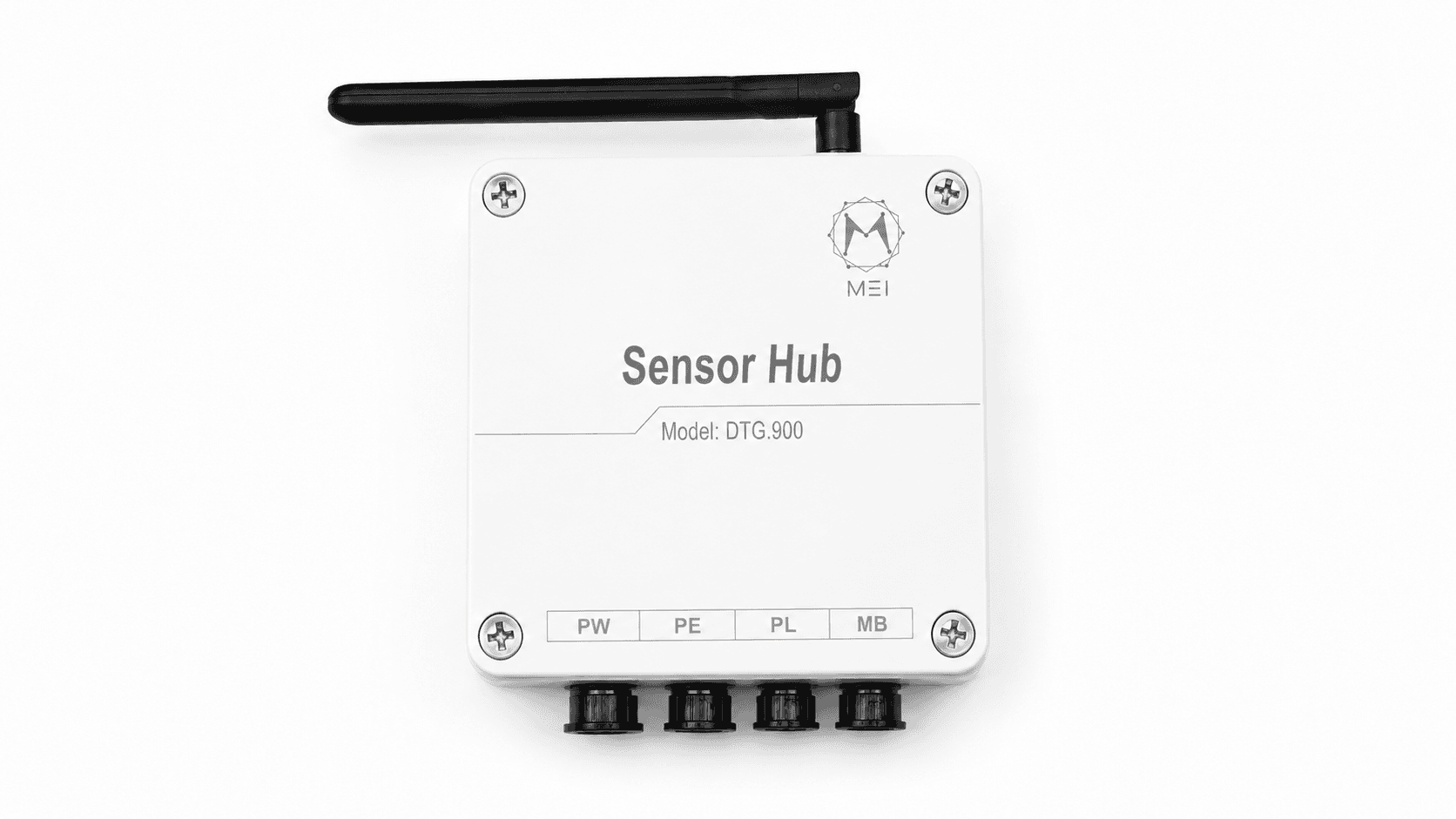
Sensor Hub - DTG.900
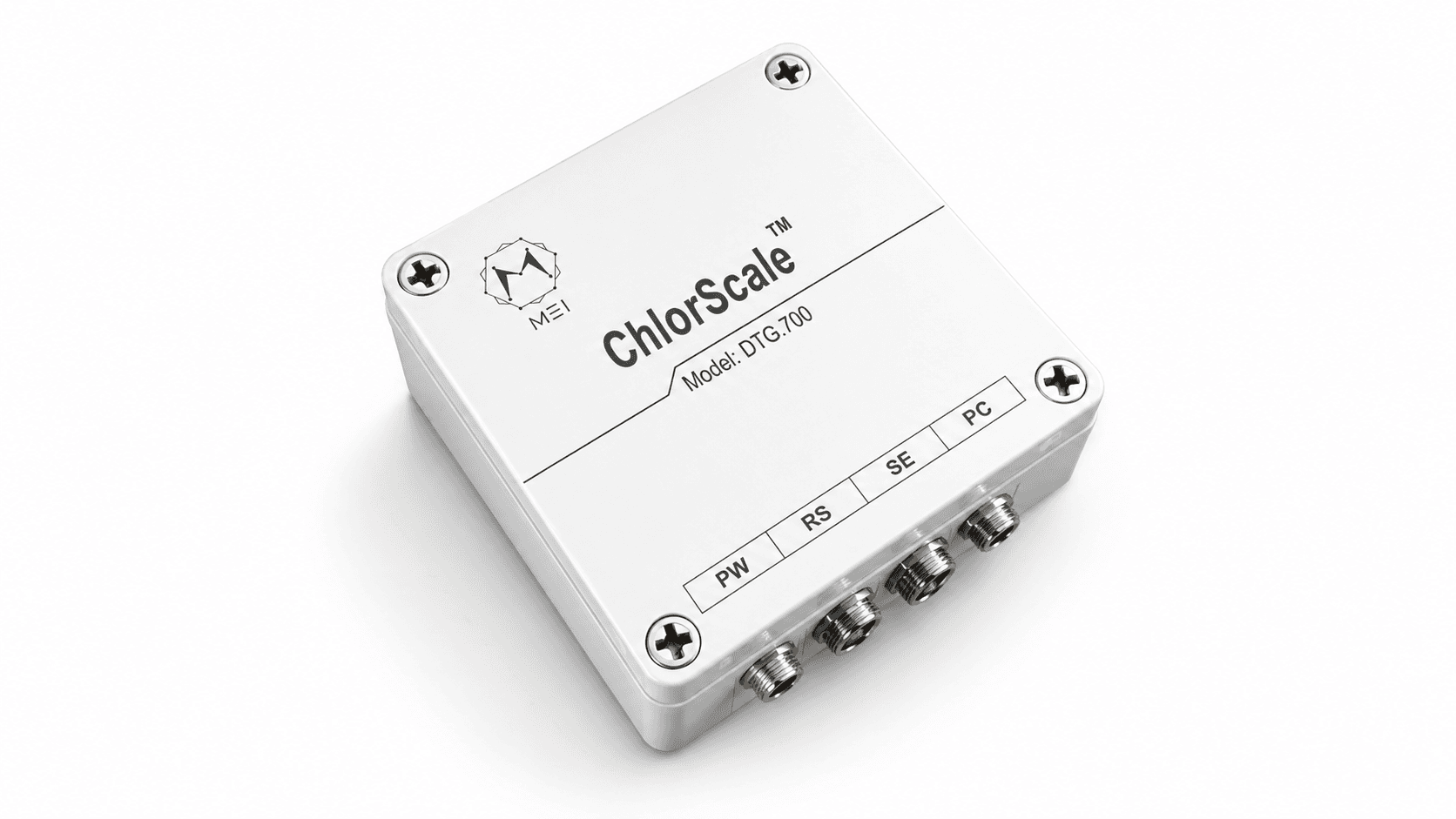
ChlorScale - DTG.700
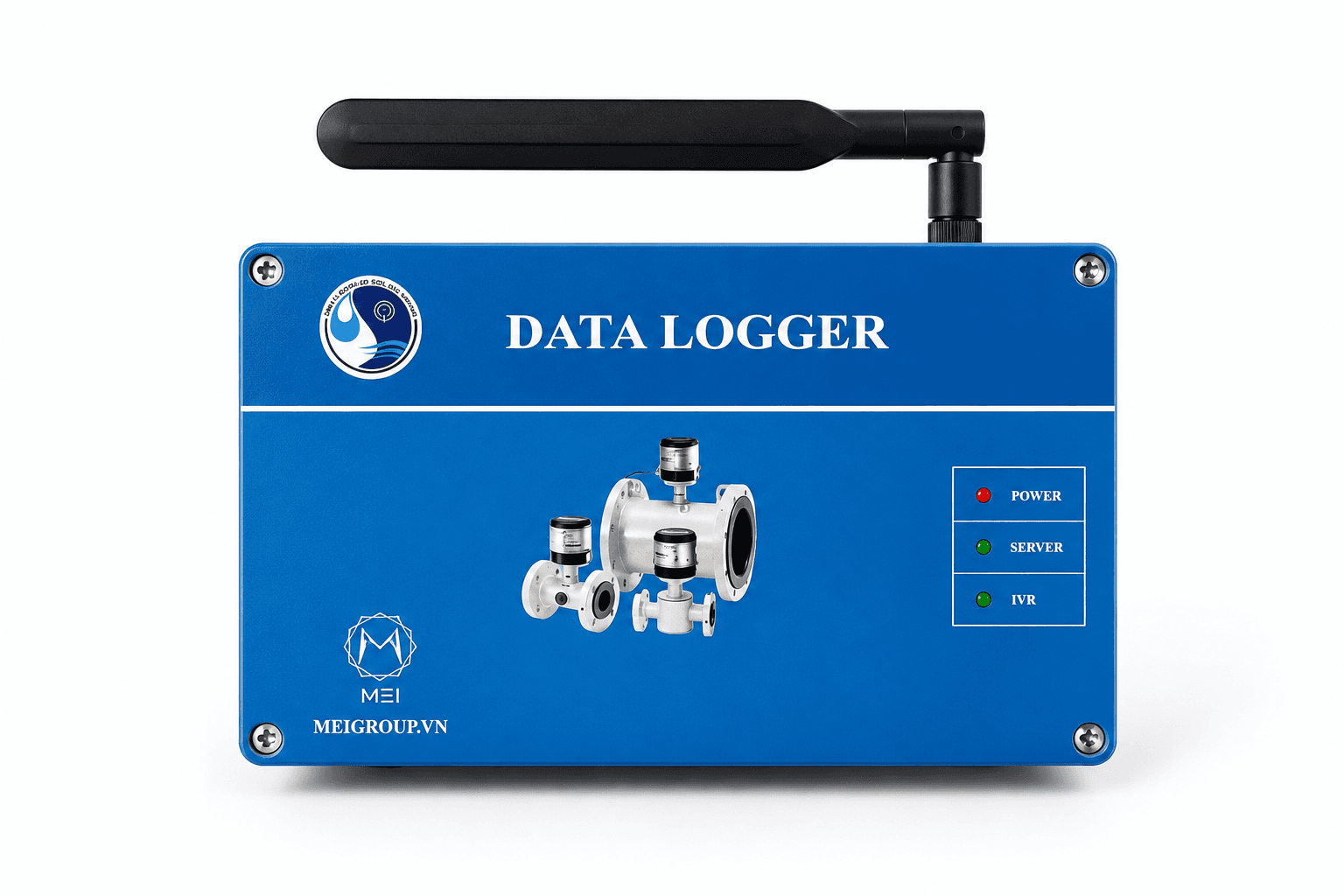
Datalogger DTG.100
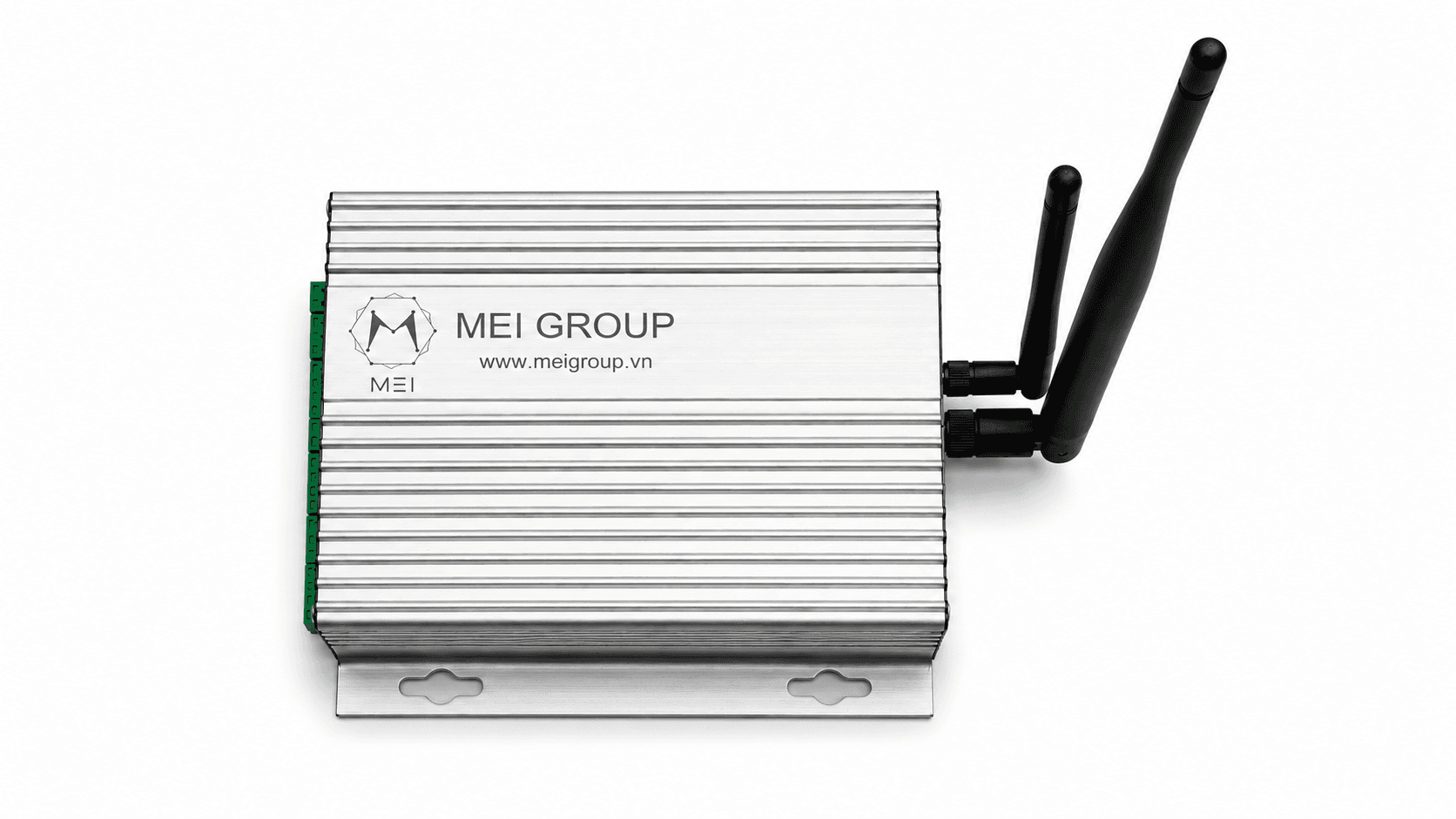
Getway - GT.100
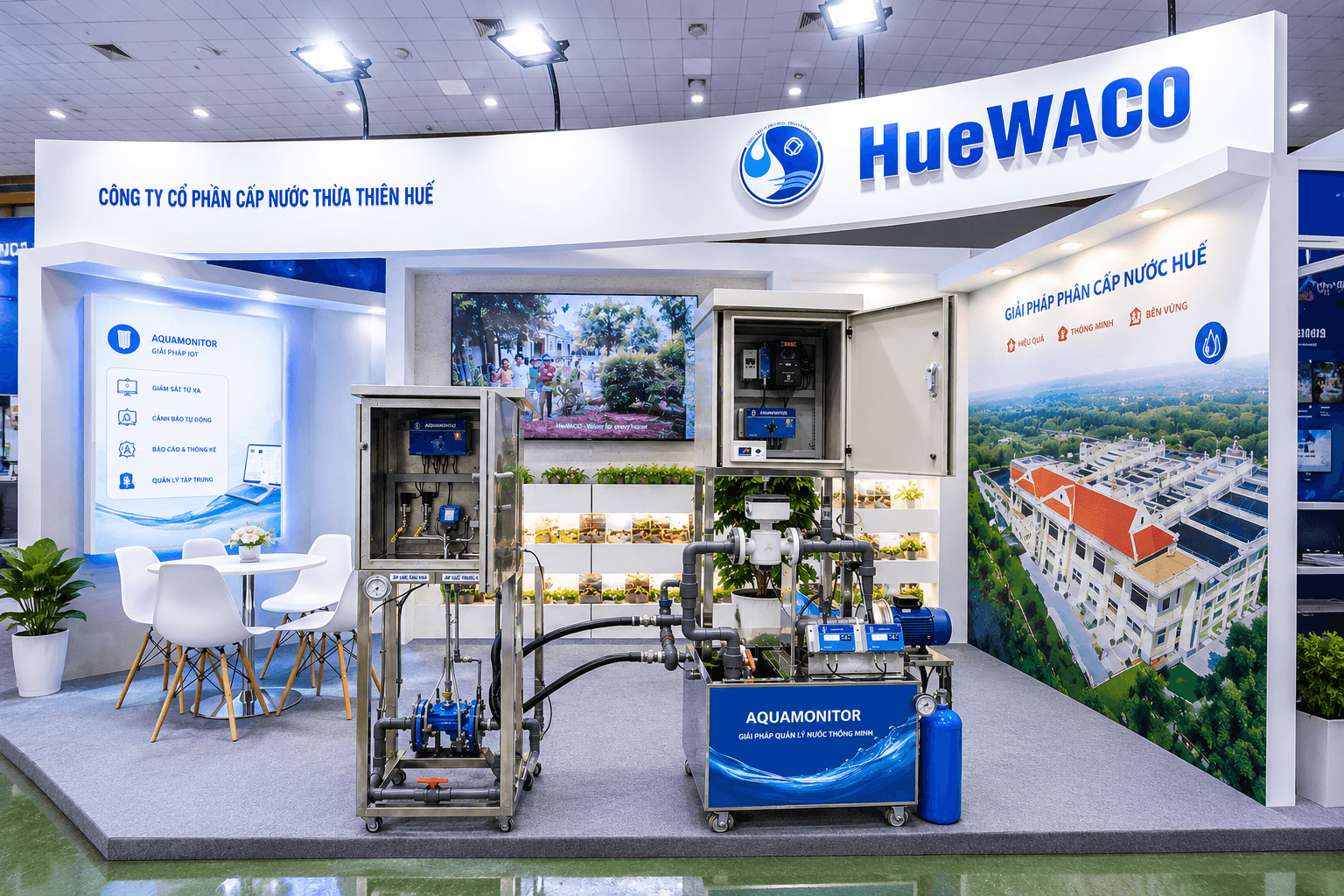
Equipment for VIETWATER exhibition
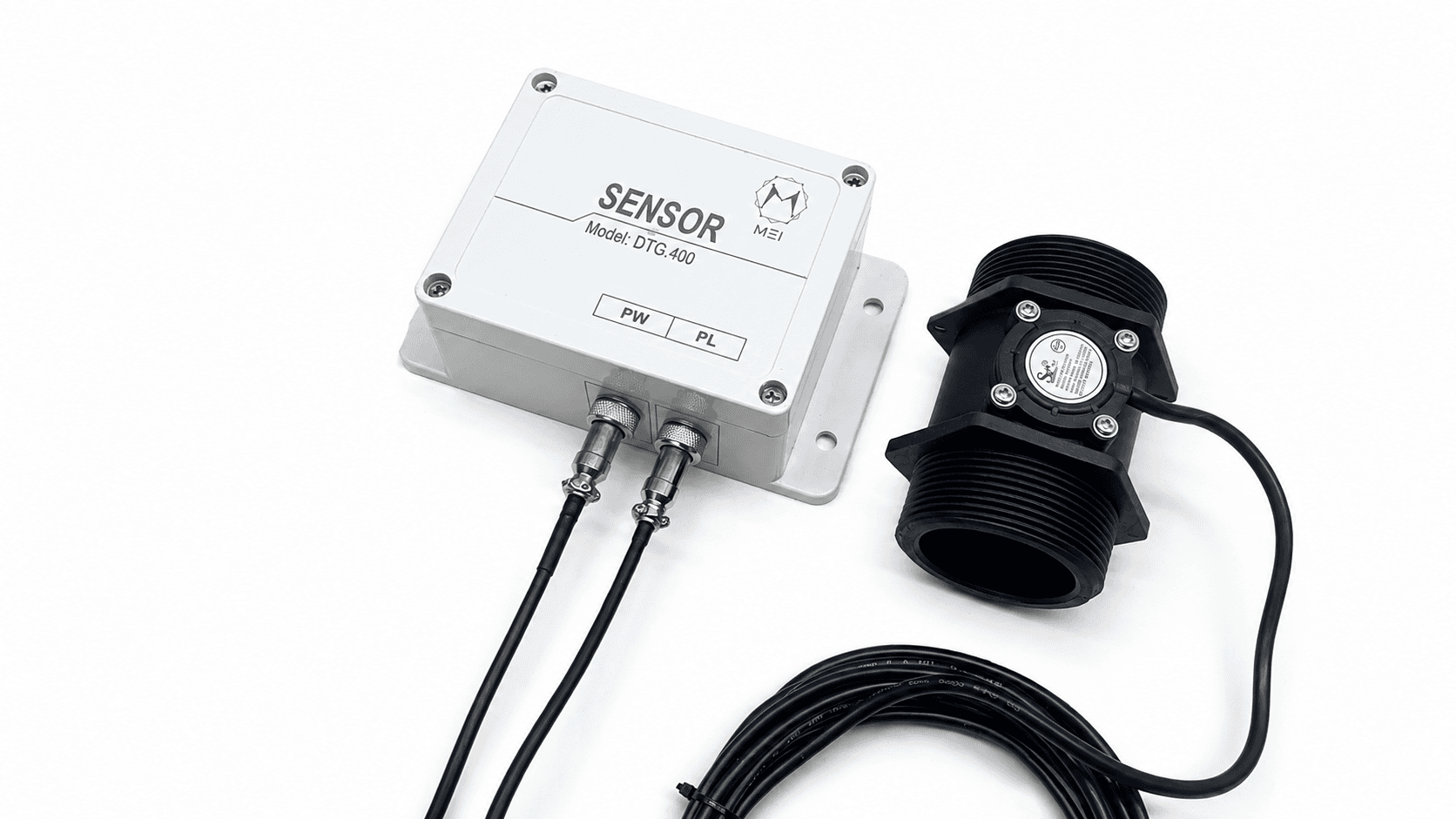
Leak detection
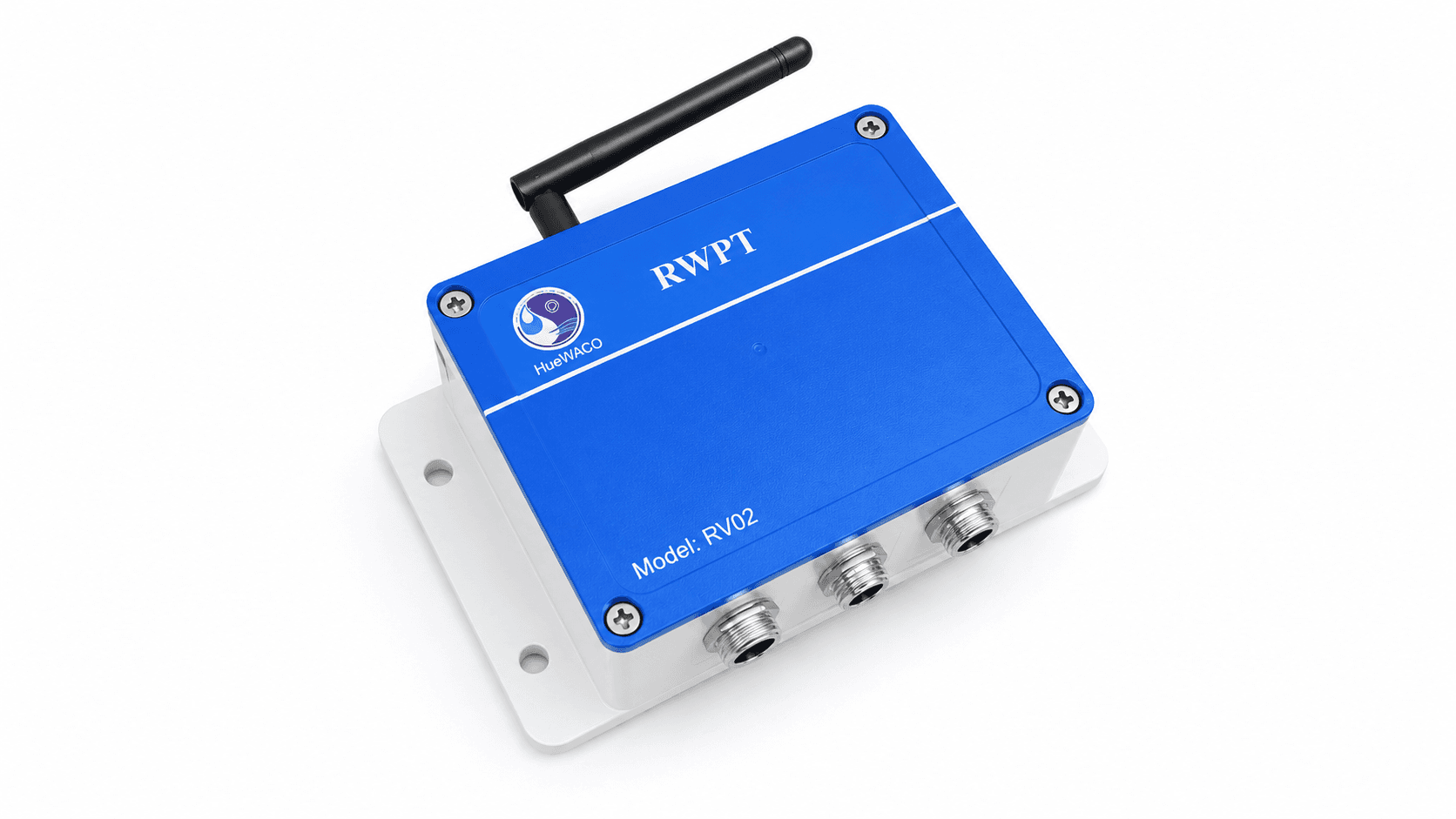
Critical-point pressure monitor
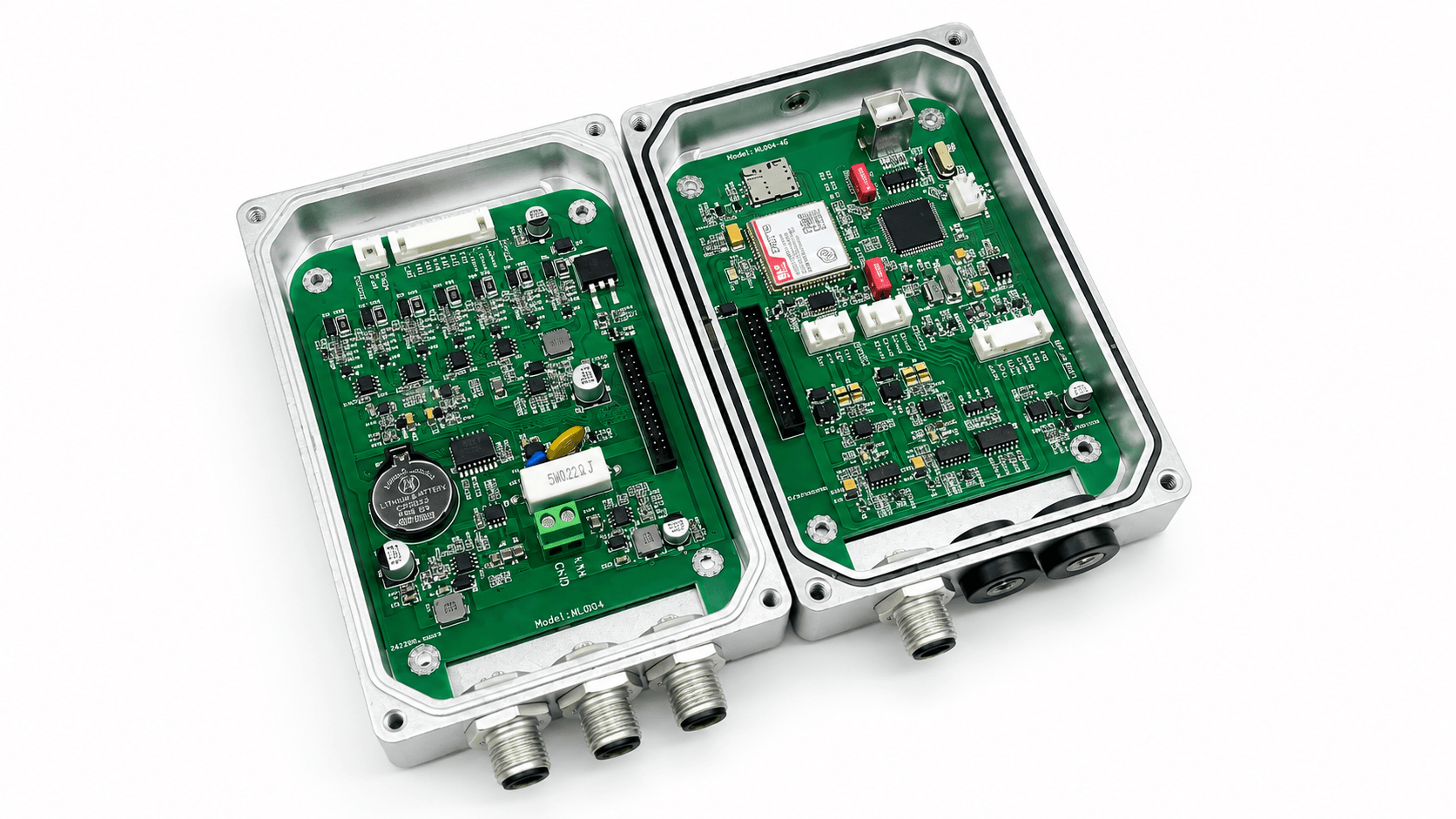
Hydrological monitoring
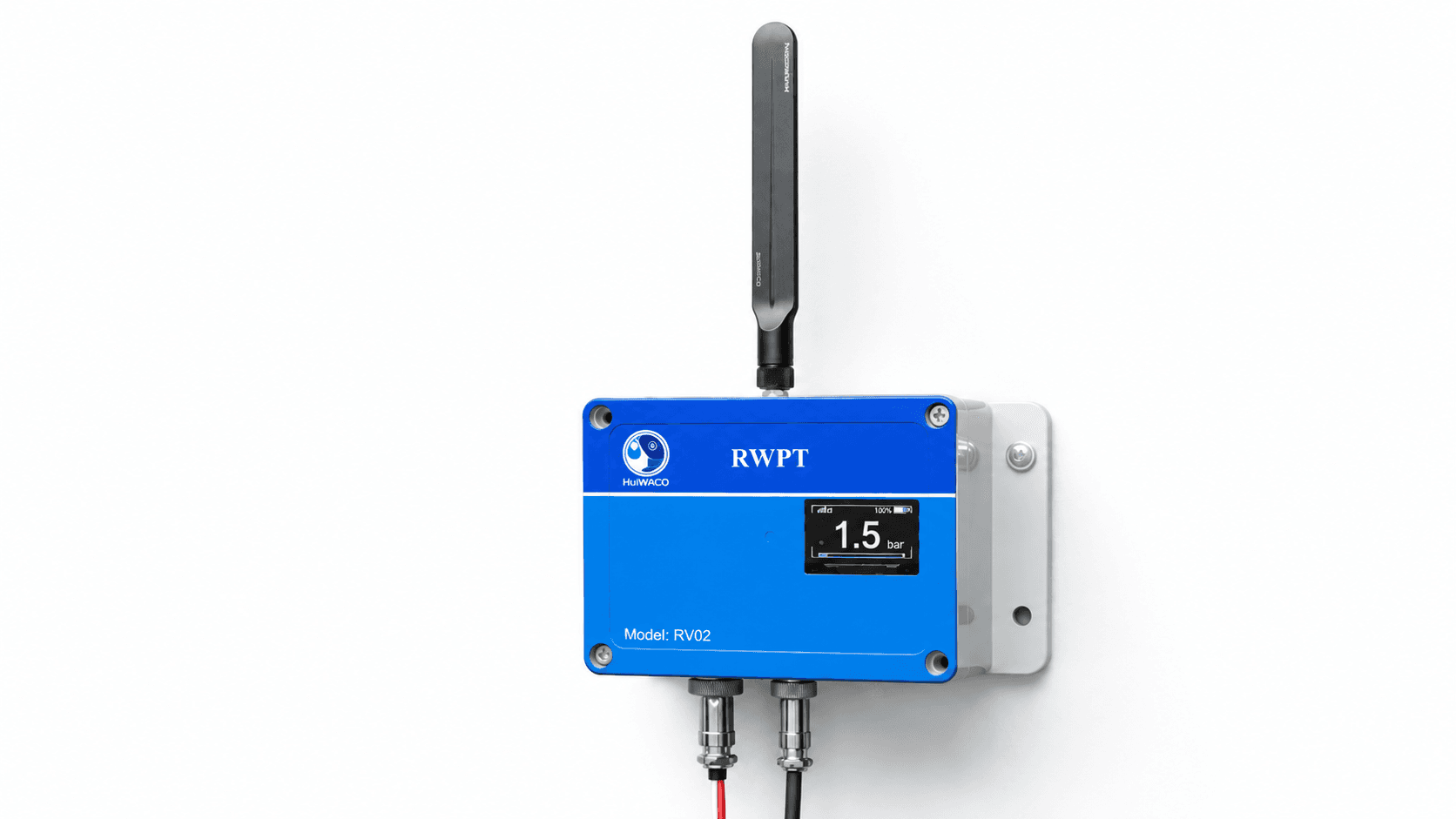
Pressure monitoring with a display
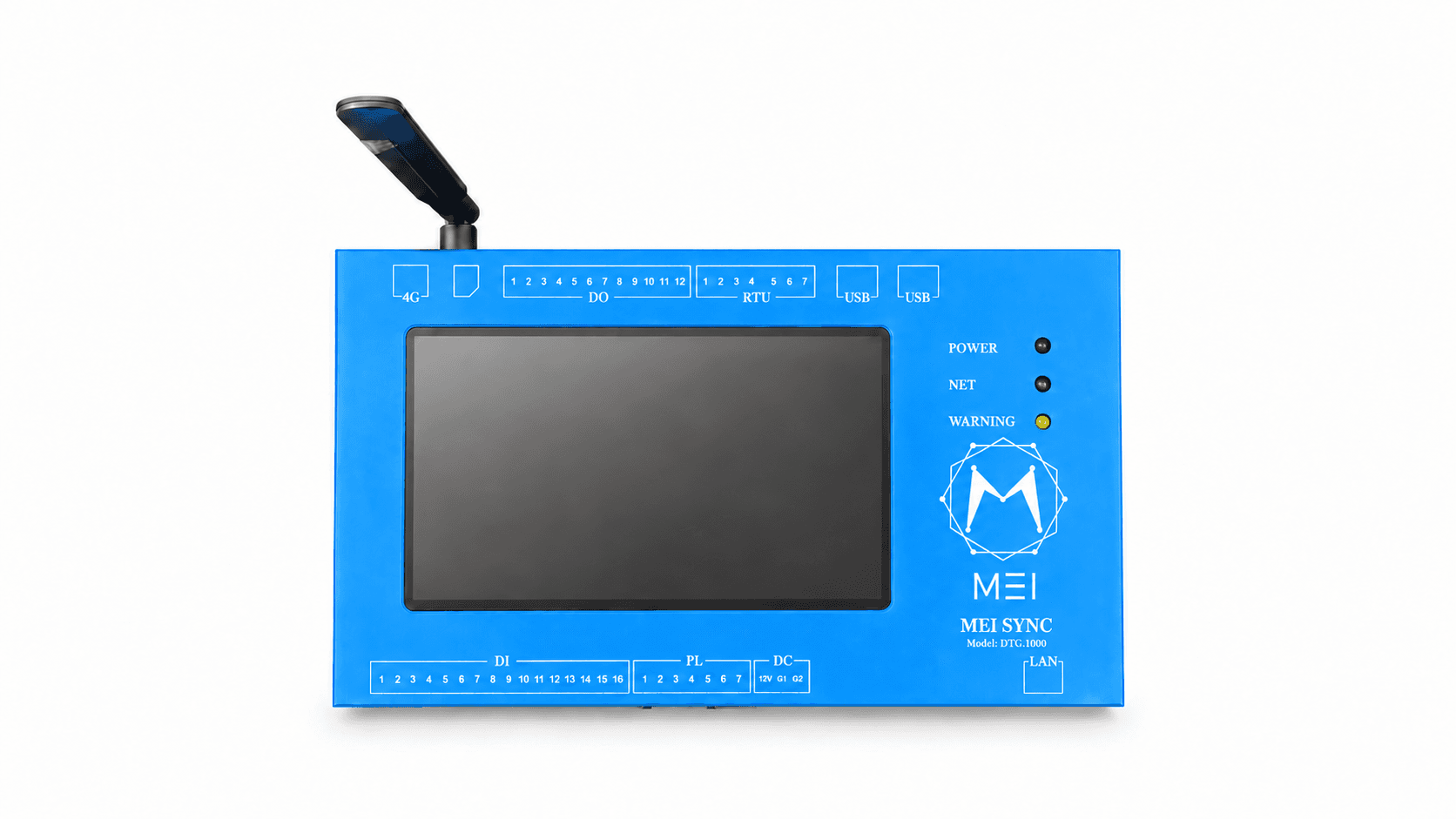
MEISync - CTG.1000
Support

- FAQ
- Resources
- Distributor
- Technical Support
MEIGROUP DOWNLOAD